
For most PWD and MCD road work the equipment that decides the result is compaction. A walk-behind vibratory roller in the 550 to 1,200 kg class handles sub-grade, base and wearing course on internal and municipal roads, and a plate compactor covers kerbs, gullies and service trenches the roller cannot reach.
Start from the specification, not the catalogue
Road contracts specify layers, lift thickness and density. Those three things select your compaction equipment. Everything else on an equipment list is secondary.
Read the clause, note the density requirement and who tests it, then size the machine against the thickest lift you will place.
Compaction: the equipment that matters
Sub-grade and sub-base
This is where density failures start. Vibratory roller work, sized to the lift. A 30 KN machine handles typical municipal lifts. Step to 50 KN where lifts are thicker or the material is coarse.
Base course
Roller work again, usually with more passes and attention to moisture. Marginal density results here almost always mean the machine is under-specified on centrifugal force, not on weight.
Wearing course
A smooth drum roller with a working water sprinkler kit. Without water the drum picks up asphalt and marks the surface.
Kerbs, gullies, trenches and edges
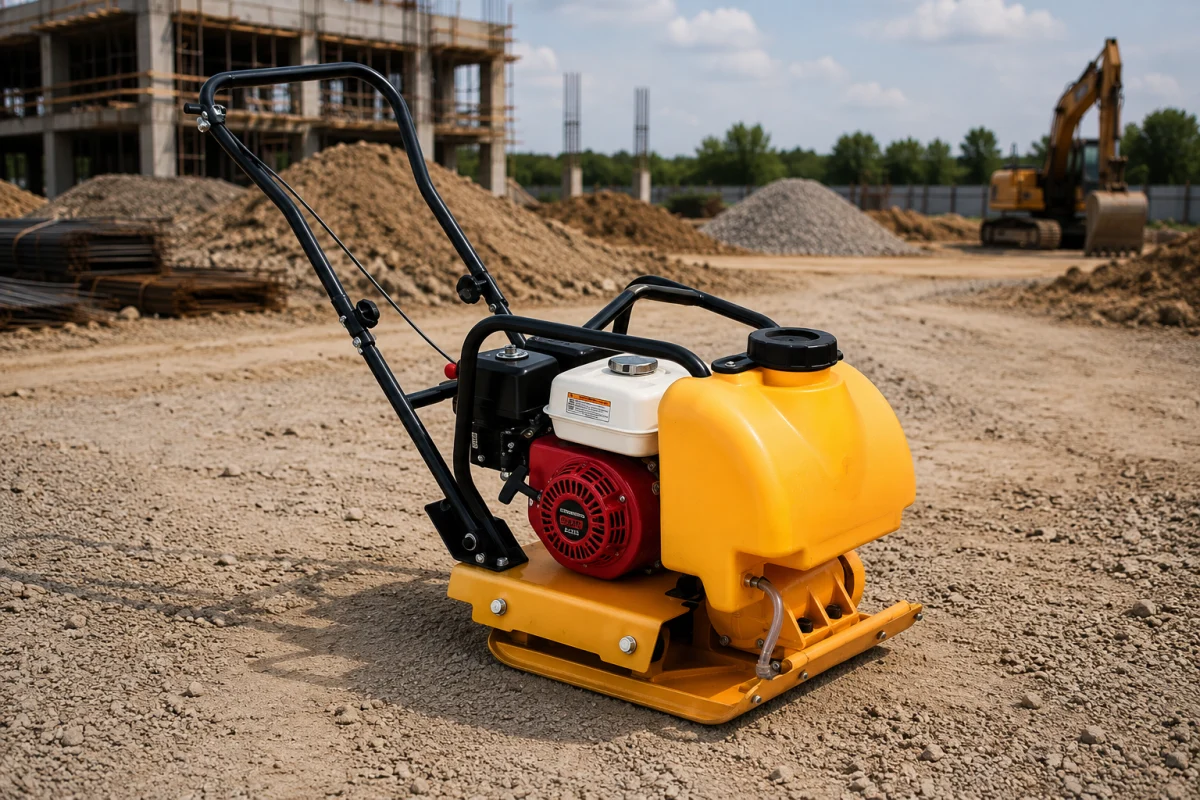
Plate compactor. A roller cannot get there, and these are exactly the places where reinstatement failures show up first.
Sizing the roller for road work
| Machine | Weight | Force | Drum | Typical road use |
|---|---|---|---|---|
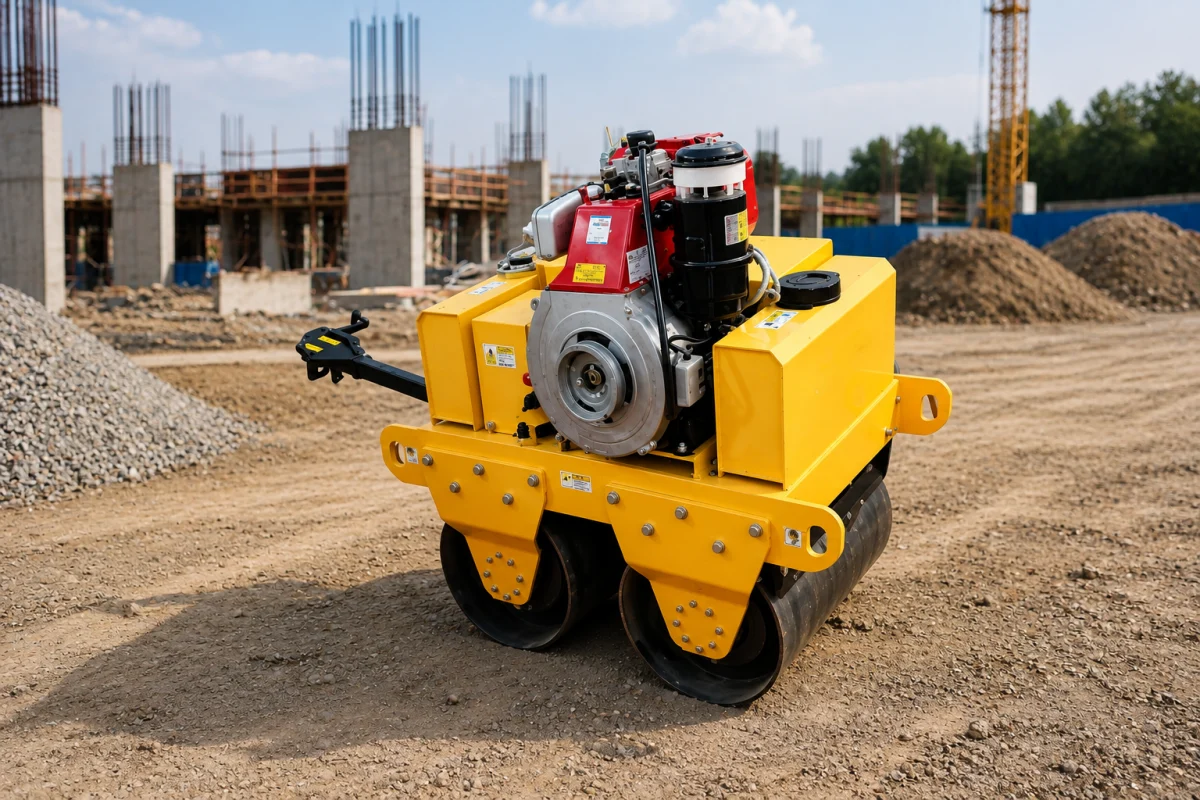
| FVR 600 | 550 kg | 30 KN | 430 x 600 mm | Trenches, kerb lines, approach roads, footpaths |
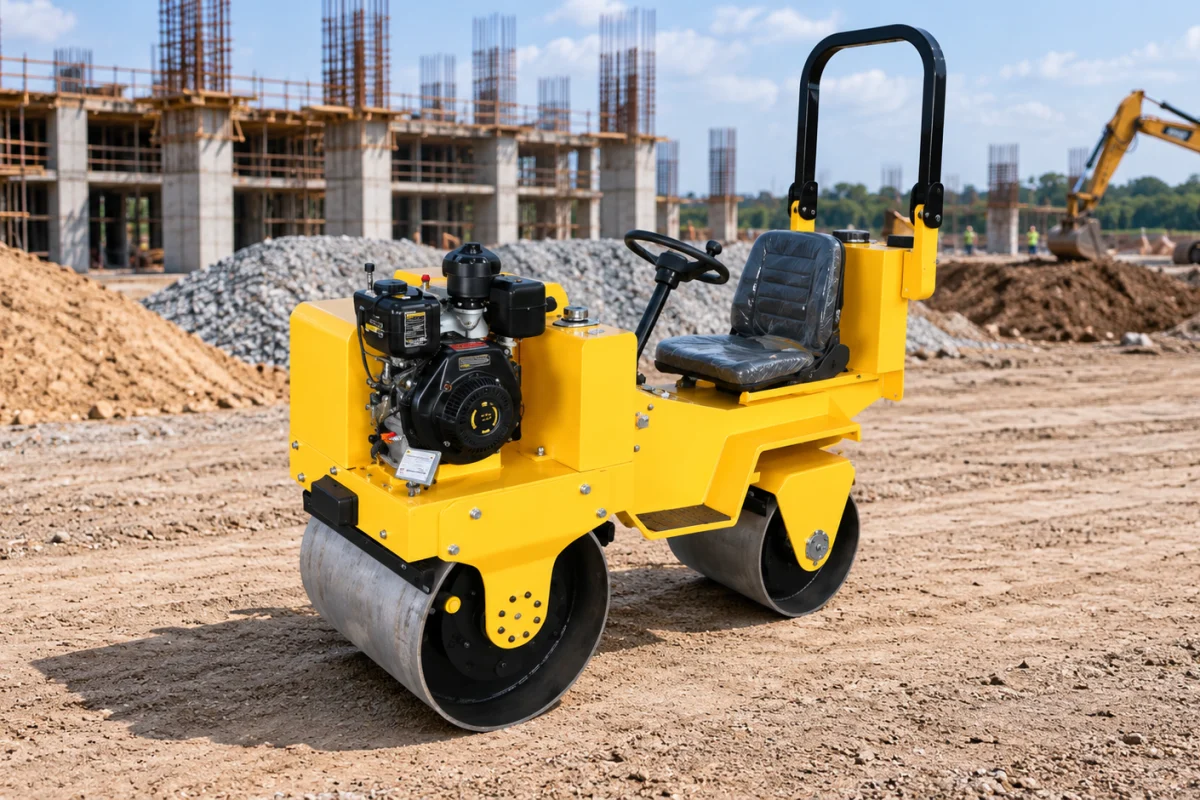
| FVR 850 | 800 kg | 30 KN | 460 x 650 mm | Municipal roads, internal site roads |
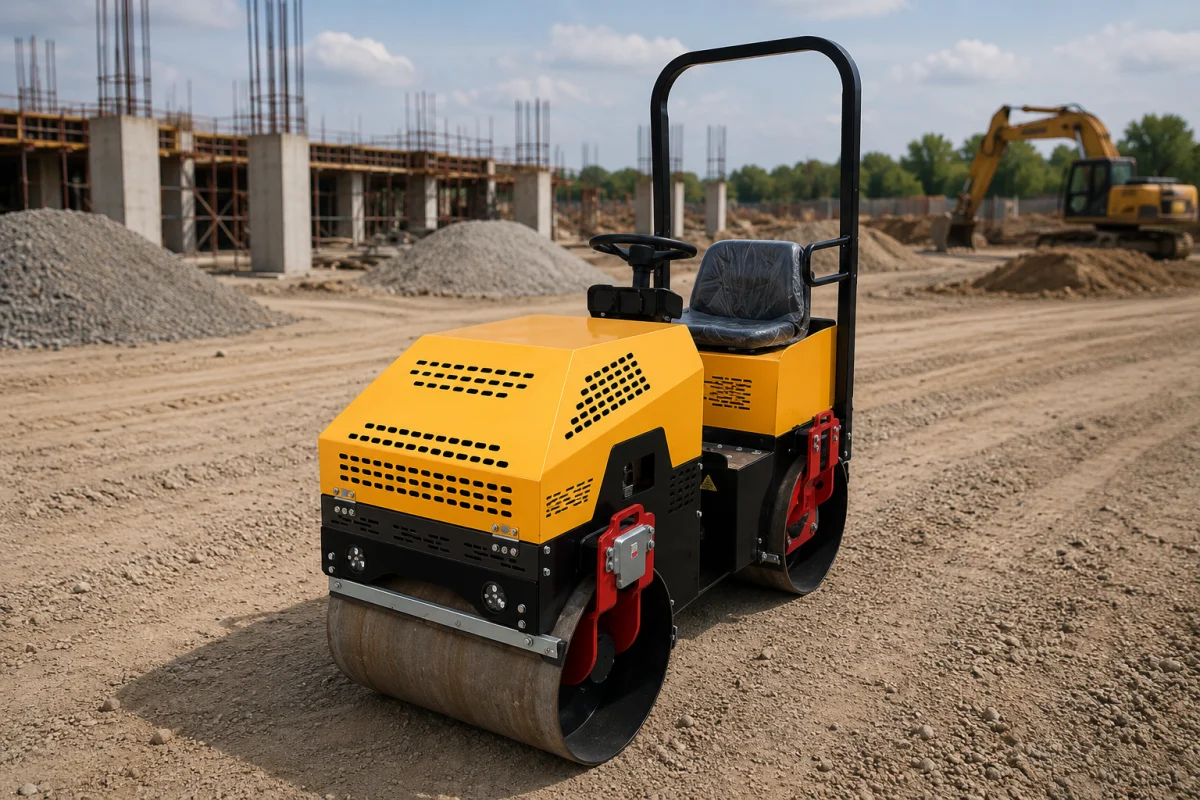
| FVR 1200 | 1,200 kg | 50 KN | 500 x 700 mm | Thicker lifts, coarse aggregate, marginal density |
Most municipal contractors run the 800 kg class as the main machine and keep a 550 kg unit for confined work. Contractors on larger road contracts step up to the 1,200 kg class.
Practical points that cost money
Water sprinkler kit
Not optional on asphalt. A dry drum lifts material and leaves marks that show in the finished surface.
Hydraulic drive
Worth the extra cost on gradients, long shifts and work with frequent direction changes. It shows up as more consistent density over a full shift, because the operator is less fatigued.
Machine transport
A 550 kg roller moves on a small tipper. A 1,200 kg machine needs proper transport arrangements. Factor this into which machine sits on which site.
Spares
A roller waiting weeks for a hydraulic part during a road contract is a schedule problem, not just a cost problem. Ask where the spares are held before you buy.
A workable equipment list
- Vibratory roller sized to your main lift thickness, with sprinkler kit
- Second lighter roller if you regularly work trenches and kerb lines
- Plate compactor, reversible if you backfill trenches often
- Compaction testing arrangement, whether in-house or through the client
Tell us the layers, the lift thickness and the density specification and we will size the machines against them rather than sell you the largest option.
Frequently Asked Questions
What equipment is needed for road construction?
What size roller do I need for municipal road work?
Why do my density tests come out marginal?
Do I need a water sprinkler on a road roller?
What compacts kerbs and service trenches?
Do you supply road construction equipment across India?
Machines Covered in This Guide
Get a price for your job
Tell us the material, the area and the specification you have to meet. We will come back with the right machine, the price and the delivery date — usually the same working day.