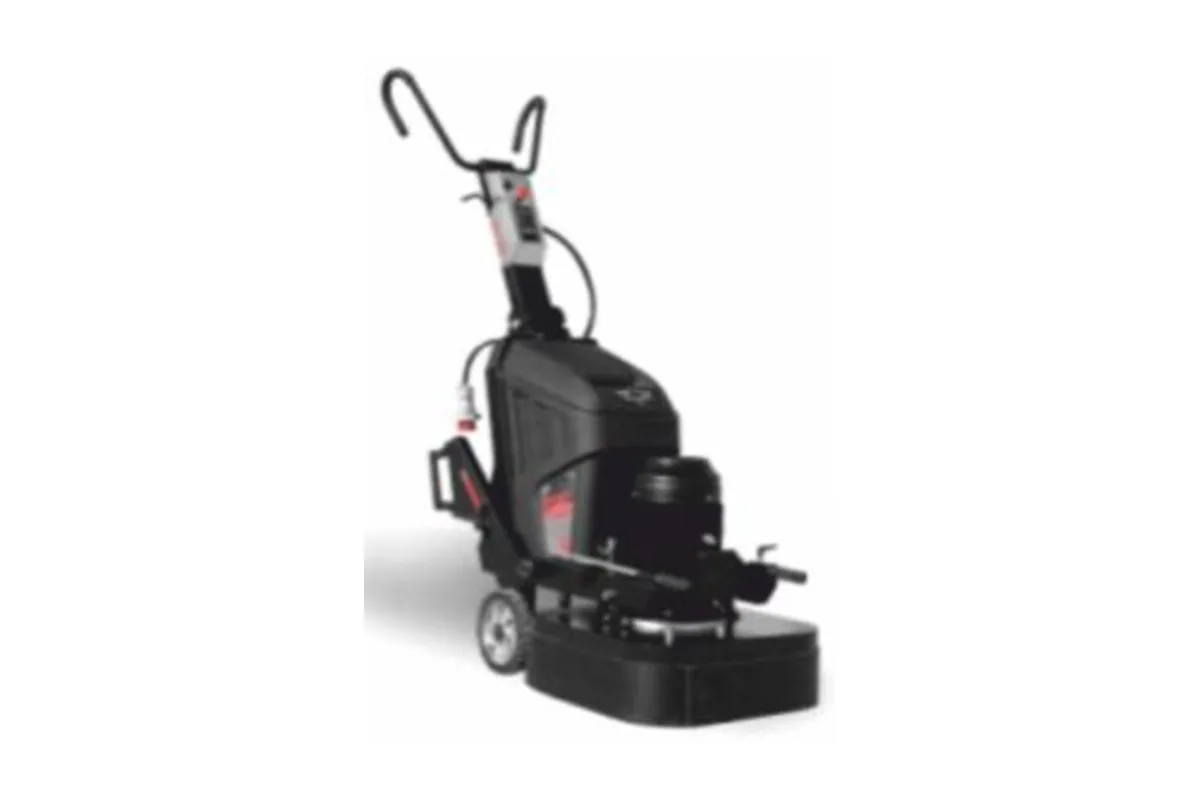
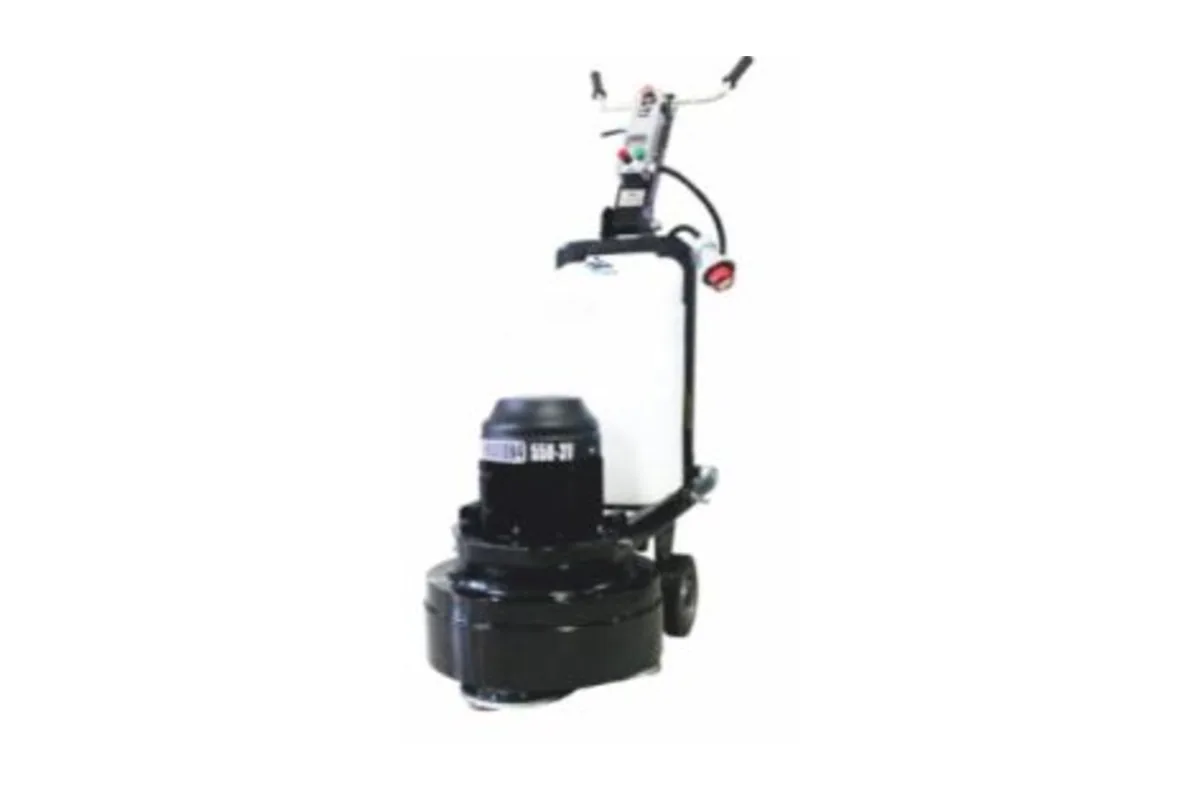
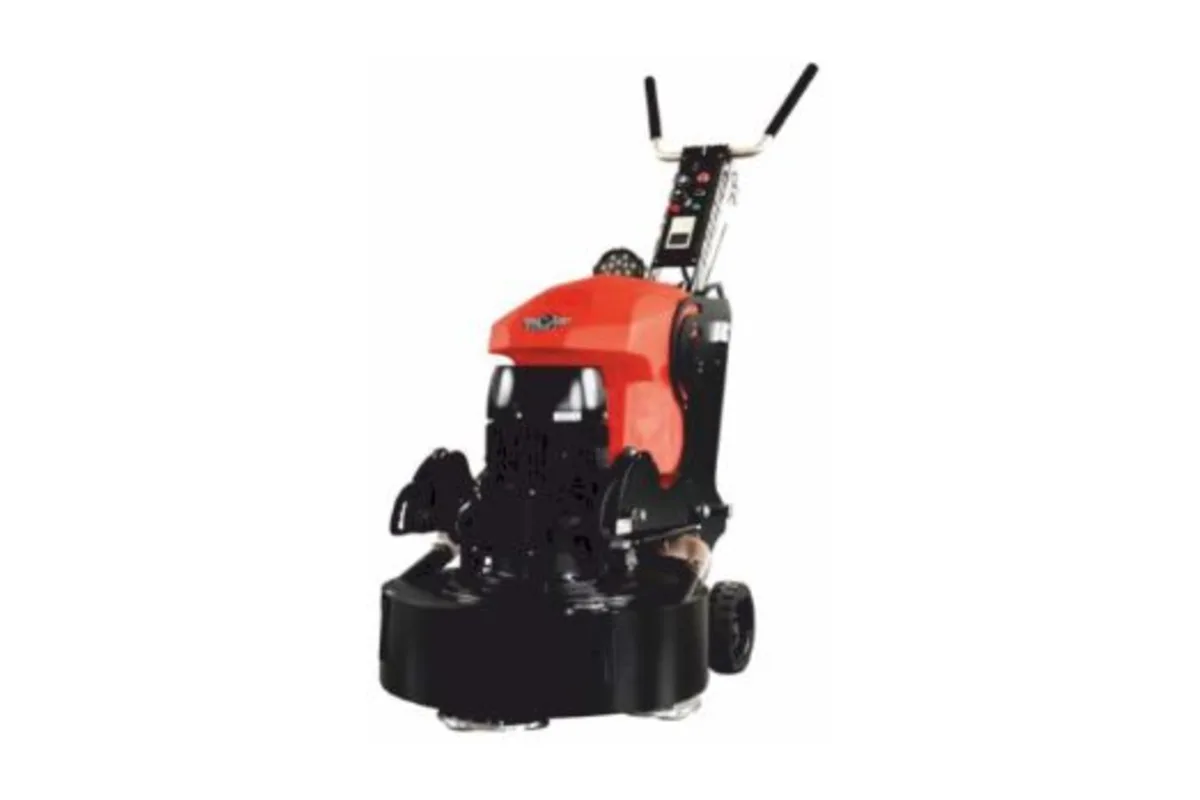
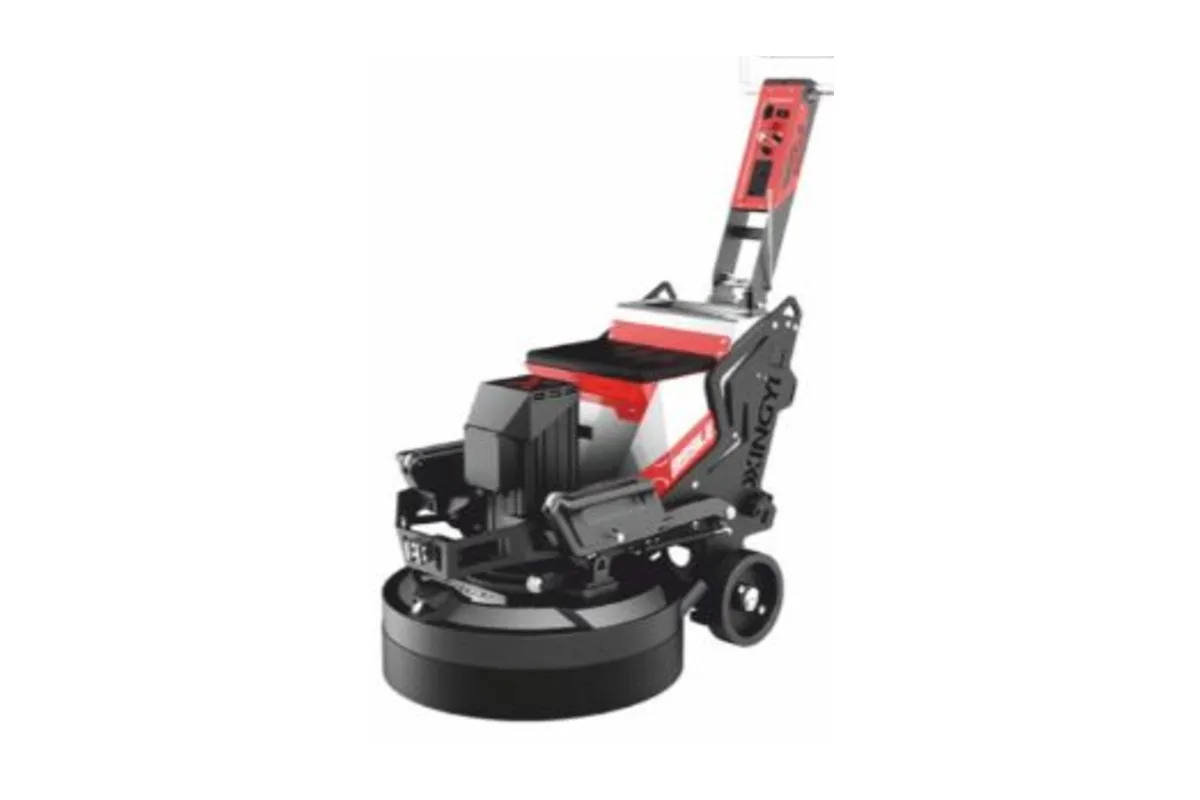
A concrete floor grinding machine drives diamond tooling across a cured slab to take off whatever is sitting on top of it and to flatten what is underneath. It cuts laitance off a new floor, strips epoxy, paint and tile adhesive, knocks down trowel ridges and joint lips, and, carried through finer grits, closes the surface into a polished concrete floor that no longer dusts. The buyers are flooring and epoxy contractors, factory maintenance teams, fit-out firms and rental yards.
How to choose a concrete grinding machine
Start with the area you cover in a shift. Rooms, corridors and patch repairs are a 330 mm to 580 mm job. Open bays of thousands of square metres need 638 mm or more, and beyond about 800 mm the machine should drive itself: pushing a 556 kg head by hand is what slows a crew down.
Decide whether the job is removal or polishing. Taking off 2 mm of old epoxy is coarse metal-bond work at low speed; polishing is resin-pad work at high speed through six or more grit steps. A variable-speed head covers both — the 550-3V runs 350–1260 rpm, the GX65 350–1680 rpm — while the 580-2 at a fixed 1460 rpm is built for production grinding.
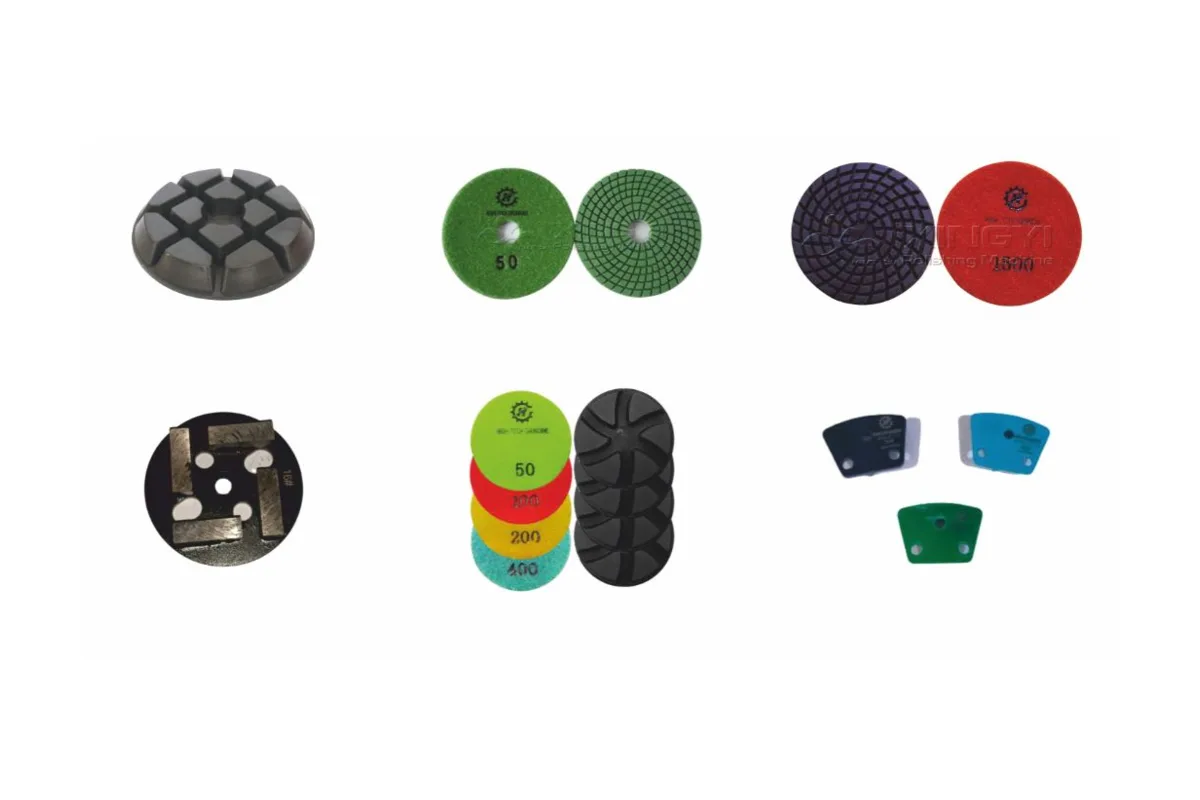
Price the tooling, the supply and the extractor with the machine. The pads do the cutting, so a quotation without a tooling list is incomplete. Almost everything here is 380 V three-phase; only the 175B and 78K run on 220 V single-phase. Dry grinding makes silica dust continuously, so cost the extractor in as well.
The machines Topall supplies
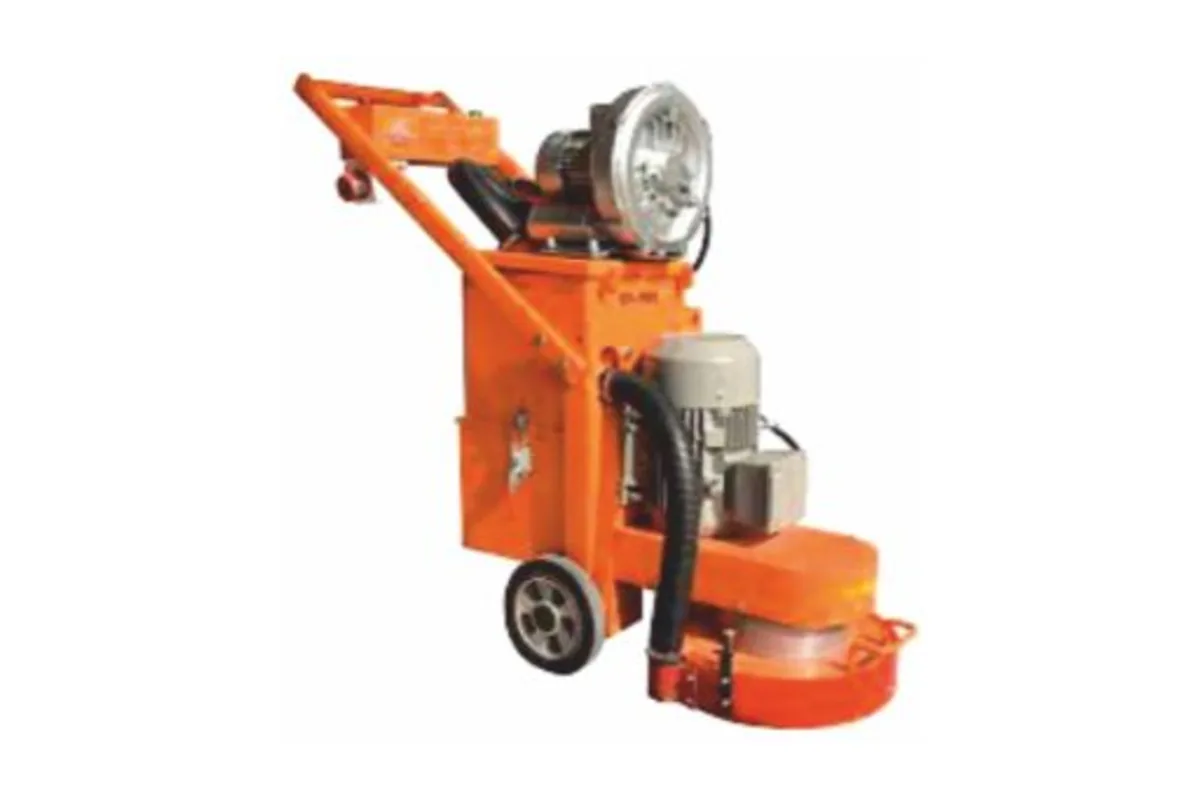
At the small end sits the GT330, 330 mm on three grinding wheels with a 4 kW motor and its own 750 W vacuum — a fit-out contractor's machine for offices and showrooms. The GT460 widens the same platform to 460 mm on six wheels with a 1.8 kW vacuum.
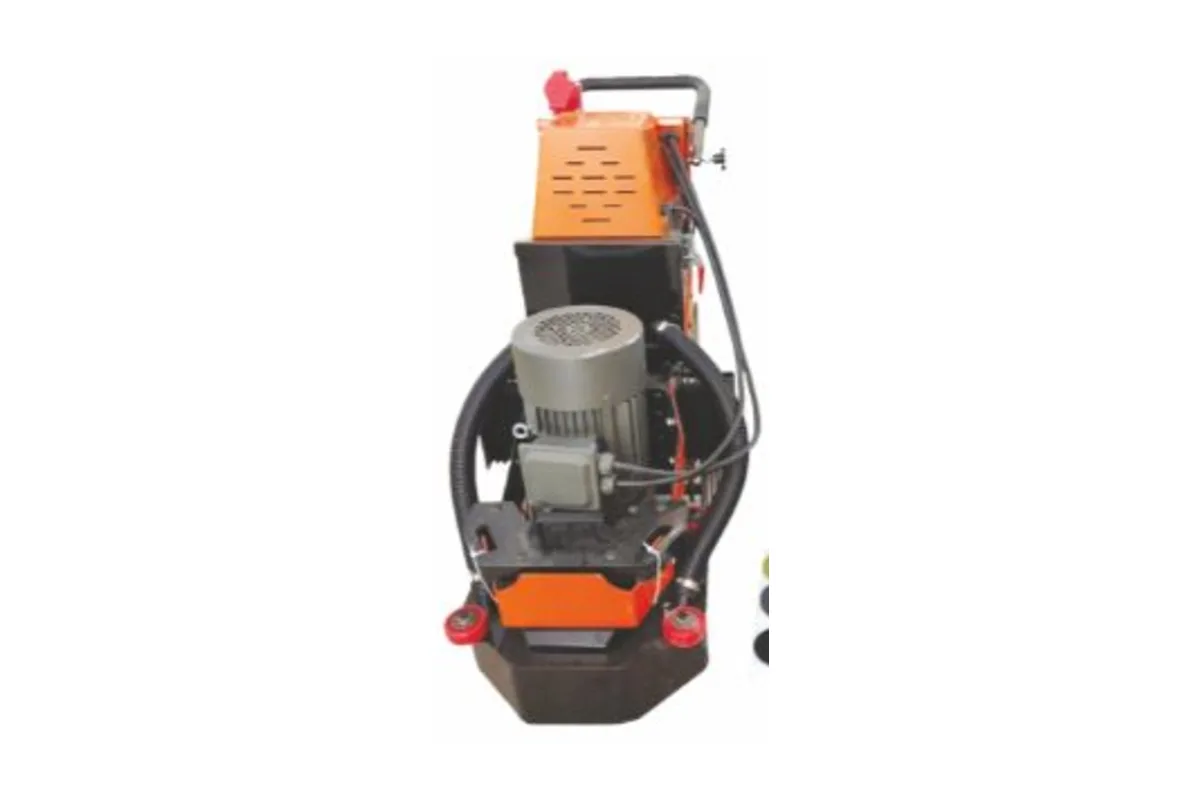
In the middle, the 550-3V gives a 550 mm disc and 350–1260 rpm from a 4 kW motor at 165 kg, the flexible pick when one machine must strip and polish. The 580-2 trades that for torque: 580 mm at a fixed 1460 rpm on 7.5 kW. The GT-630 sits beside them at 600 mm, 7.5 kW with a matching inverter, 0–1800 rpm, 240 kg.
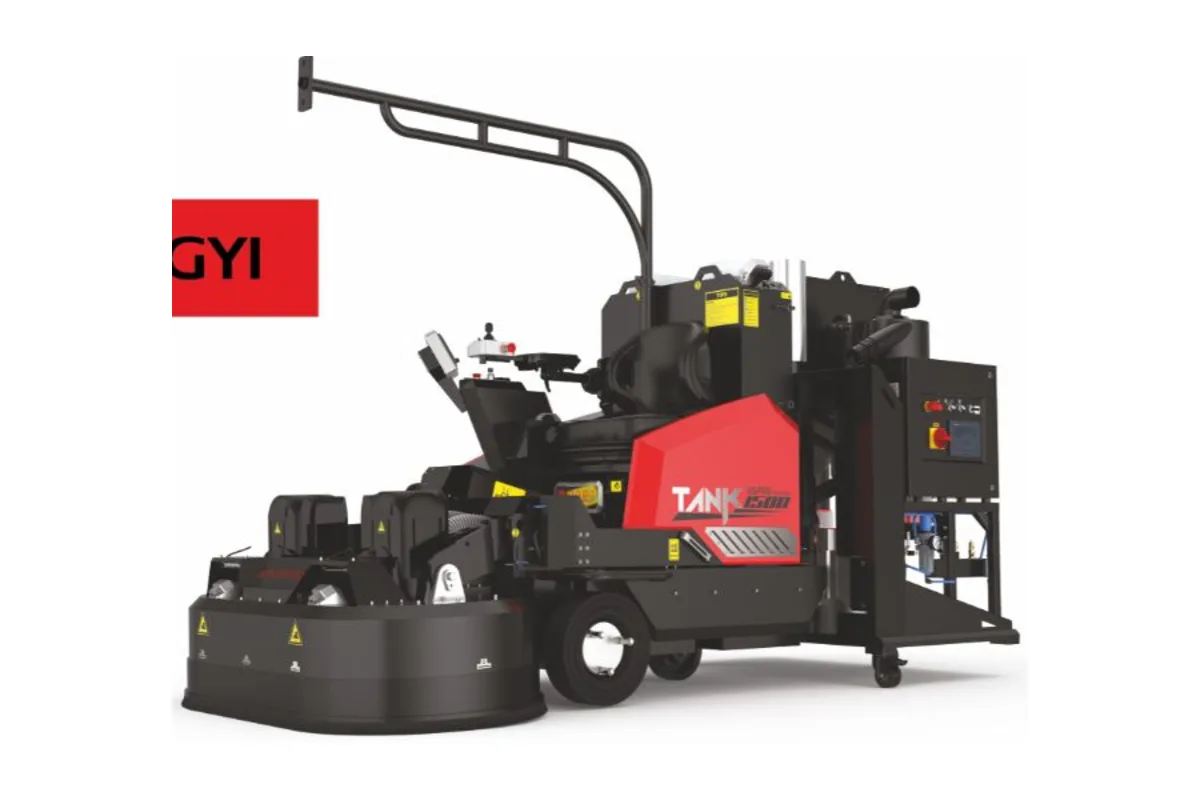
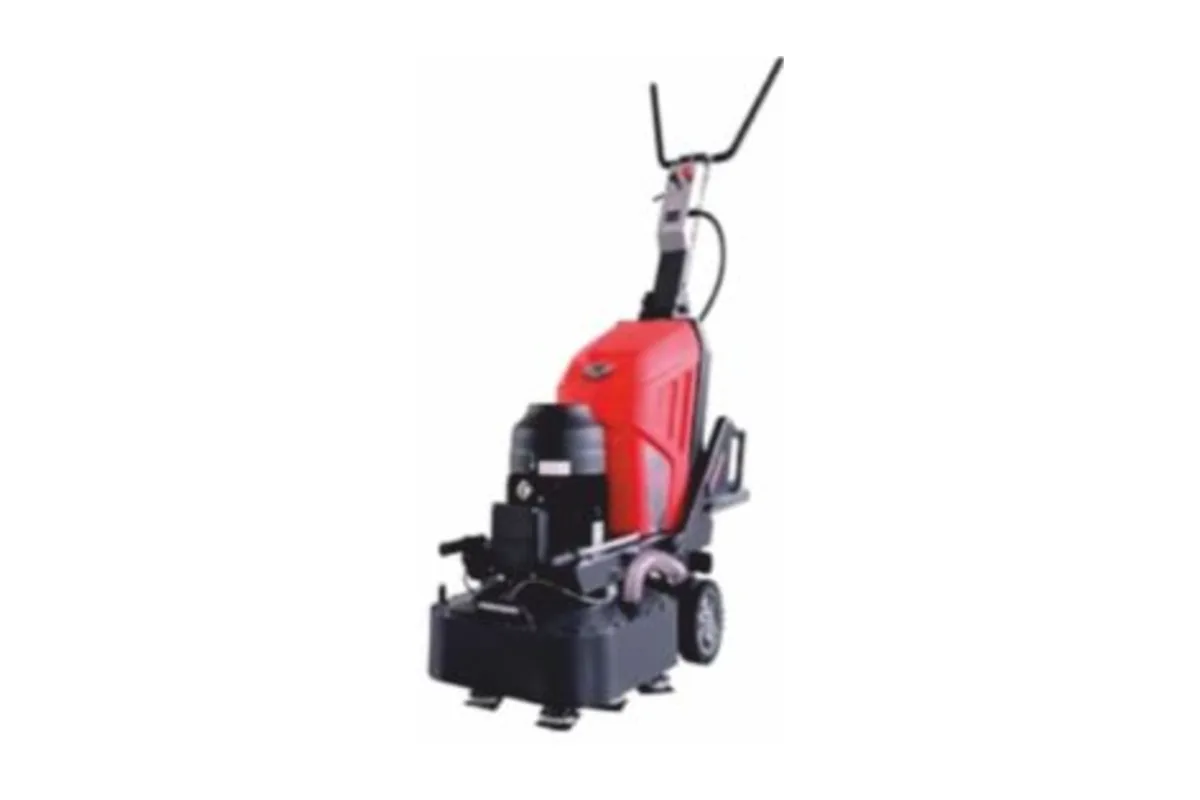
For daily production the GX65 is the usual answer: 9.5 kW, 638 mm, 350–1680 rpm, 305 kg on a 380 V 20 A supply. Above it the self-propelled GX688-4A covers 650 mm at 15 kW, the 800LE 800 mm at 556 kg, and the 955LE 955 mm across four 270 mm discs on 18.5 kW, with remote control and a 39 litre tank for wet work. The TANK 1500 autopilot machine covers floors larger still, specification on request.
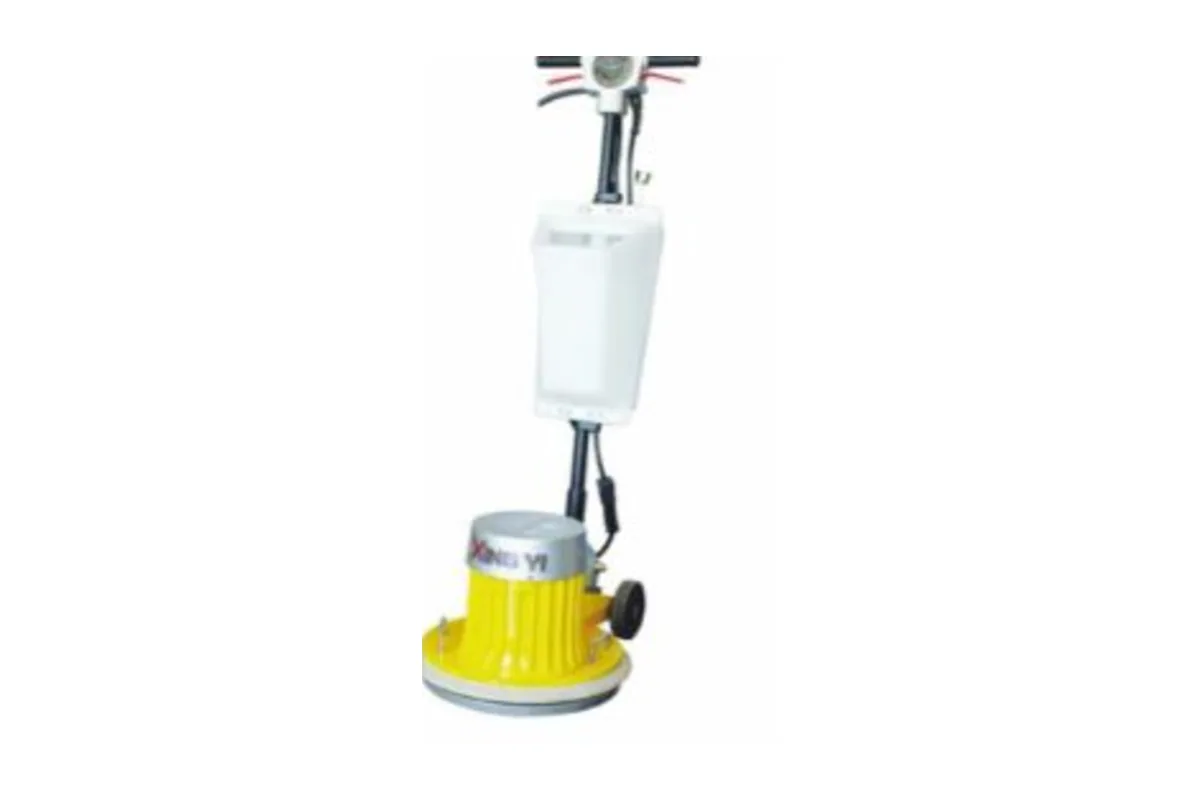
Finishing and maintenance belong to the single-disc polishers: the 2 Hp 175B at 55 kg and the 3 Hp 78K at 78 kg, each driving a 17 inch plate at a steady 175 rpm from a 220 V point. XINGYI diamond and metal pads are held in Delhi.
What affects the price
This range starts from ₹30,000 for the 175B polisher, ex-works Delhi, plus GST. The GT330 is ₹50,000 and the GT460 ₹69,000; the GT-630 ₹1,30,000; the 550-3V and 580-2 ₹2,75,000 each; the GX65 ₹3,25,000. Self-propelled machines step up sharply — ₹4,50,000 for the GX688-4A, ₹7,00,000 for the 800LE, ₹12,00,000 for the 955LE. What then moves a quotation is the tooling package (pads are ₹600 per piece), whether a vacuum is bought with the machine, freight to site and GST.
Where these machines are used
Warehouse and distribution floors. Old coatings and joint lips are ground down so pallet trucks stop hammering the slab, and a polished finish keeps dust out of the aisles.
Showrooms and offices. Architectural work: a plain slab taken to a salt-and-pepper polish, or old tile adhesive lifted so a new floor lies flat.
Coating preparation in food and pharmaceutical plants. Epoxy and PU systems fail on laitance. Even a slab levelled by concrete laser levelling machines and finished by power trowel machines needs that grind first.
Planetary head or single disc
A single-disc machine turns one plate: simple, cheap and forgiving, and at 175 rpm the 175B and 78K suit scrubbing and light pad work — but the disc follows the hollows instead of cutting them out, and it chatters on hard removal. A planetary head turns satellite discs inside a counter-rotating plate, so the cutting path crosses itself and the machine tracks the high points. That is why the GX65, 800LE and 955LE leave a flatter floor. Buy single disc for maintenance; buy planetary the moment flatness or coating removal is the point of the job.
Dust control, honestly
The GT330 and GT460 have extraction built in, 750 W and 1.8 kW. Every larger machine here is sold without extraction, so a separate unit must be ordered with it: the HTG IVC-F65L moves 350 m³/h and the IVC-33L 537 m³/h, both on a 50 mm hose, in our industrial vacuum cleaners range. Wet grinding on the 955LE is the alternative where slurry can be managed; a coating thick enough to waste a day of diamonds should be milled off first with a floor scarifier.

 Floor Grinding
GX65 Concrete Grinding Machine